Check out the Benefits of an Ostomy Belt

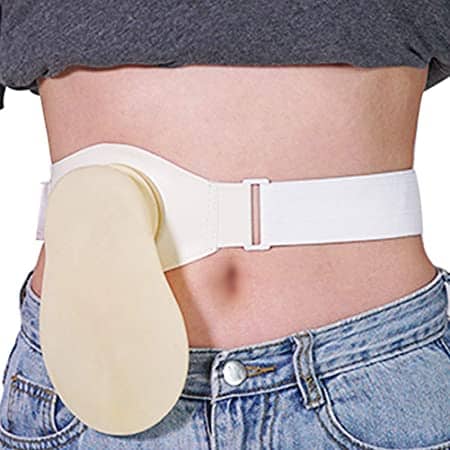
An ostomy belt is a device that helps to hold an ostomy bag in place. Ostomies are surgical procedures for people with certain health conditions, such as ulcerative colitis or Crohn’s disease. An ostomy belt can be used when the person has either a temporary or permanent ileostomy or urostomy. This article will explore some of the top benefits of using an ostomy belt and how it can help you to feel more confident in your day-to-day life.

The Benefits Of An Ostomy Belt

1. Helps To Keep The Ostomy Bag In Place

The most crucial benefit of using an ostomy belt is that it helps to keep the bag in place, so you do not need to worry about leakage due to a faulty appliance. Different materials can be used, such as plastic and velcro straps, which can be adjusted to your individual needs.

2. Can Help To Eliminate Skin Irritation

Skin irritation can be a big problem for many people with an ostomy, especially if the bag is not sitting comfortably on the skin. Ostomy belts help keep the appliance in place, so you do not have to worry about this irritating condition.

3. Improves Confidence

Ostomy belts can help improve your Confidence, as you will no longer have to worry about leakage if the appliance is not fitted correctly. This means that you can go out and enjoy activities with friends or family, knowing that you do not need to check if the bag has fallen.

4. Provides Extra Support

Some ostomy appliances are relatively thin, so they may not provide much in the way of support to hold them in place. This is when an ostomy belt can come in useful, as it allows for extra help to keep the appliance in place. You can also buy different types of materials for your belt to give you increased comfort and durability.

5. Aids Hygiene

The last benefit of using an ostomy belt is ensuring good hygiene for your appliance, as the bag will not be sitting against the skin all day. This helps to reduce odor and any infections or rashes due to continuous contact with the skin.
6. Aids Quality Of Life

Ostomy belts can help to improve your quality of life by making you feel confident in your day-to-day activities. You will no longer need to worry about leakage or skin irritation if the appliance is not fitted correctly, and it may also help reduce any odor that occurs when the bag is full. If you are looking to buy an ostomy belt, you need to make sure that it has the right fit for your appliance. It is also a good idea to purchase an extra belt always to have one on hand in case of emergencies.
If you are looking for more information about ostomy belts or would like some advice on using them, speak to your doctor or stoma nurse. They will be able to give you some helpful tips on how to get the most out of your new accessory.
4 Ostomy Accessories to Handle Any Situation

An ostomy is a surgical procedure that creates an artificial passage for the release of stool. Ostomies are often necessary due to diseases such as Crohn’s disease, ulcerative colitis, or colon cancer. The type of ostomy will depend on the severity of your condition and what you can deal with. If you have just been diagnosed with an ostomy, one thing you’ll want to do is make sure that your home is equipped with all sorts of supplies for dealing with it. This article lists four different accessories that will help make living with an ostomy, whether temporary or permanent, much more manageable!

1. Stoma powder

Stoma powder is a must-have for any ostomate. It works to reduce the odor of stool by absorbing moisture and fighting bacteria associated with it. Be sure to ask your doctor about what type of stoma powder they recommend before using one on your own, as some types can be harmful if applied directly to the skin surrounding your stoma.

2. Paste or gel

Like stoma powder, paste or gel can be applied to the skin surrounding your ostomy to reduce odor. It is especially useful when you are not wearing a pouching system and have leakage from stool around your bag opening. By using paste at the flange’s inner opening edge, you will be able to protect exposed skin from your waste. The paste is mostly used by people with an ileostomy condition. There are several products on the market that make this simple but effective accessory easy to use! Your ET nurse will give directions for applying paste or gel to your skin, and you can always ask them for samples as well.

3. Belts and belts pads

Belts and belt pads allow you to wear a close-fitting pouching system without discomfort. They are especially useful for people with ostomies that may have excess skin or extended stomas since they help the bag fit more snugly against your body. Most belts are made from elastic or Velcro, and some even come with gel pads that help your bag fit more snugly against your body. Belts and belt pads come in a variety of different styles, so feel free to experiment with them until you find one that works well for your body type!

4. Wipes

After you empty your pouch, it’s important to keep the surface around the stoma clean. That is why ostomates usually use wet wipes or cloths of some sort to prevent infection and reduce odor. Wipes are not only great for cleaning your skin after emptying a pouch; they can be used with paste/gel at the flange’s inner opening edge as well! Be sure that any wipe product you buy specifically states “for use on the peristomal area.” This ensures that the product will not irritate sensitive skin surrounding your stoma. Therefore, it is wise to invest some money into moist wipes to improve hygiene around your stoma site, which helps reduce infection risk at home.

Hopefully, you have now been able to find some ostomy accessories that will help improve the quality of your life. Choosing which ones are right for you is a personal choice, but be sure to talk with your doctor and ET nurse about the types of ostomy accessories that they recommend.

About Irrigation for Colostomies

Irrigation is a procedure for bowel management for colostomies. The irrigation system involves water in large volumes and a stoma which is an opening made by a surgeon. The water gets injected into the stoma by colostomy to clear the colon off stools for improved bowel movements. Irrigation is essential for stoma function regulation, crucial in predicting bowel movements and ultimately reducing the pouch size amid irrigation. To enjoy the use of an irrigation system, one must have a colostomy. However, other various factors need to be present to qualify an individual for stoma management function.

Generally, regular movement of formed or semi-formed descending colostomy makes irrigation effective. Developing regular bowel movements routine is important for individuals using irrigation as it works through adapting to a habit that eventually forms an automatic model of clearing off the stool. Since a regular bowel movement is critical for successful irrigation, exercising and eating should typically help achieve it. Establishing a continuous pattern for cleansing the stool makes it easier to manage the stoma function as the bowel will adapt to moving only during regular irrigation necessary, based on the routine formed over time. 

Achieving any routine takes time, and the irrigation process for colostomies is no exception, considering the whole procedure takes about 45-60 minutes to place the water and clear stool off the colon. Therefore, before the system forms an elaborate model, use the regular pouching system to avoid passing small amounts of stool before a clear pattern develops. Familiarizing with the specific tools involved with irrigation for colostomies and where to access them is fundamental for a smooth experience. The apparatus is accessible to any ostomy product manufacturers. They include an irrigation bag for holding the water, clamped tubing for water regulation, and a cone extending from the tubing and gently inserting into the stoma to prevent water from flowing backward. On the other hand, the system includes sleeves over the stoma for drainage to the toilet. 

While irrigation is a helpful system, some people should not use it to manage their stoma. A general surgeon or Enterostomal Therapy Nurse (ET) is a good source of help identifying the type of stoma in review. Common categories of people who cannot apply irrigation systems to control their stoma include transverse colostomy and those with a urinary stoma. Nevertheless, there are concerns to consider about the longtime use of irrigation for colostomies. According to research, the more a person uses irrigation emptying the colon’s stool, the more dependants he becomes, which negatively impacts him. Increasing the volume of water used per irrigation is reportedly the main issue related to long-term irrigation use as it can rise beyond control and outdo its functionality.

The adaptation period can be difficult, especially if you are not patient with the process, but consistency shows results. Also, individuals with unpredictable schedules can have a rough experience forming a routine, but a few tips help hack into the irrigation system. Let there be a fresh water supply, which can get hacked with a refilled water bottle. Another idea is eating a small amount of food from outside, especially in areas where food hygiene looks poor to prevent diarrhea. 

Ostomy Accessories You Should Know About

Having an ostomy done may seem like a big inconvenience, but there are accessories that can make it more comfortable for you. While a skin barrier and pouch are essentially mandatory, there are many other options as well that can enhance the procedure in a variety of ways. Belts, pastes, and closure devices are frequently used, and work to help keep the stoma from experiencing trauma. Overall these accessories separate each part of the procedure, allowing it to function smoothly.

Cleansing Systems

In addition to the above mentioned accessories, there are cleansing systems as well. This system is used to wash the ostomy pouch, and works with your toilet. This does require installation, and will need a T-line connected to your toilet’s water line. This will allow you to easily wash the pouch and dispose of the waste. Keep in mind that the basins can be customized based on your specific needs.

There are a few drawbacks when using a cleansing system though that you will need to consider. Firstly is the fact that most systems recommend that you use the cleaning solutions that are sold by the manufacturer. This will need to be taken into account when considering your budget for this.

Another factor is that the cleansing system will be easily noticeable to anyone using the bathroom. This will of course disclose the fact that at ostomy is being used. Some may feel this is a privacy issue, while others may not care.

It should also be noted that if you’re using a cleansing system such as this, it may make your activities outside of your home more limited. This is because you will be relying on the cleansing system frequently, and you may not have options when in public.

Latex Sleeve and Pump

Since keeping an ostomy system dry is important, there are products that have been developed to do just that. They typically consist of a latex sleeve and pump, and work by placing the sleeve over the abdominal area, then using the pump to suck the air out and form a seal.

Despite this, a sleeve and pump accessory isn’t necessarily required for bathing or swimming if there isn’t any vigorous motion. Instead, this accessory is better for activities such as water skiing, or using a hot tub.

Gas Vents

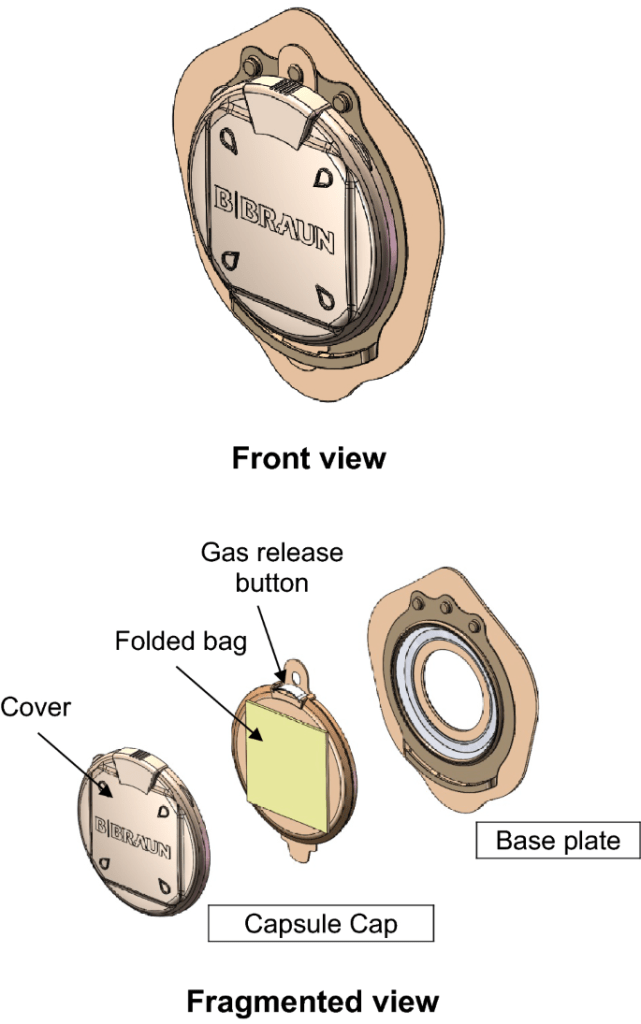
Venting gas from an ostomy pouch can be annoying, but there are vents that can make it easier. These vents look about like a rubber nipple on a beach ball, and are permanently attached to the pouch. This allows gas to be vented easily and conveniently.

The thing to keep in mind is that since each vent is permanently attached, it will be disposed of with the pouch. This means that the vents will need to be continually purchased to be used.

Seatbelt Cushioning

Since having a seatbelt cover an ostomy pouch can be uncomfortable, there are accessories that will cover the pouch so that the seatbelt is less annoying. These can be for both the waist seatbelts, and over-the-shoulder seatbelts. The great thing about these products is that they are interchangeable between multiple vehicles so you don’t need to purchase more than one.

How to Care for Your Skin After an Ostomy

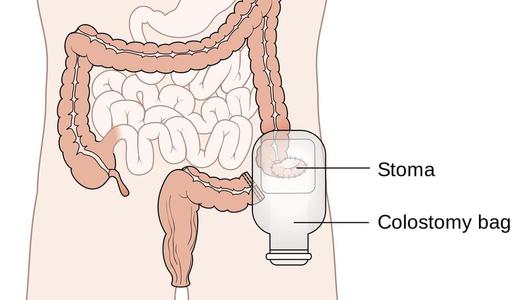
Your medical situation has required you to have an ostomy. Ostomy surgery is often a life-saving procedure. It allows bodily waste to pass through a surgically created stoma. A stoma is an opening in the stomach that the surgeon creates so that waste goes through it instead of through the rectum.

After surgery, whether the stoma will be temporary or permanent, there are certain requirements to keep the area clean and healthy. By doing so the patient may be able to carry out everyday life and its functions.

Caring for the stoma and keeping the adjacent skin healthy and clear does not have to be a traumatic experience. There are specific steps that a patient and their family and caregivers can do to keep the stoma and surrounding area clean, clear and healthy.

Normally the area around a stoma should be clear after its creation but there are times when that is unfortunately not the case. The ideal goal is to keep the area clean and healthy. However, waste products and excretions through the stoma can cause redness and irritation. In most cases there is a skin covering of some kind over the stoma. Which kind of covering depends on exactly which kind of surgery a patients has had. If a patient has a plastic bag, it needs to be emptied often and the patient gently cleaned each time. 

A frequent occurrence may be an unpleasant odor in the area of the stoma. This can be ameliorated by the diet of each patient. The diet a patient consumes can be individualized to provide a stool consistency that will work best. Caregivers and the patient can learn this process through trial and error and by consulting with nutritionists and physicians.

Sometimes despite all careful care the stoma and the skin around it can become unhealthy. In this scenario it is vital to consult with the medical tram that is familiar with the individual situation. They will be able to create a treatment plan specifically designed to address the patient’s case.

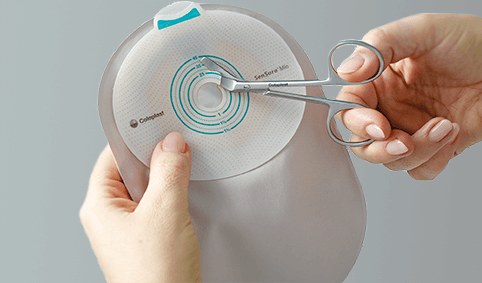
In many cases unhealthy situations have a specific cause. Among them are leakage from the stoma, incorrect size of the stoma bag used, sensitivity to products used in the care process, and not changing the stoma bag often enough. There are recommendations that patients use a specifically cut bag fitted to each patient. A “one size fits all” approach does not work.

If it occurs that the patient feels burning, itching, tingling, tightness, or any kind of pain or discomfort while wearing the ostomy bag, it is imperative that action be taken. Ignoring the situation will not make it go away and a more serious condition will develop. 

Early and specific treatment is absolutely the best solution. 

One way to maintain the health of the stoma is to use a product called stoma powder. It is available from many manufacturers. This powder is non-medicated and used to absorb moisture around the skin. This allows for a better hold to the skin. Do not use moist towelettes or baby powder, as they are specifically contraindicated. 

Healthy, clean and clear skin around the stoma are vital to living a life that is as close to “normal” as possible after an ostomy surgery. Diligence and care is required and necessary.

Closed vs. Drainable Ostomy Bags: Which one should you choose?

After a successful surgery, you can live a stress-free and comfortable life even if the use of ostomy bags becomes your must-do thing. 

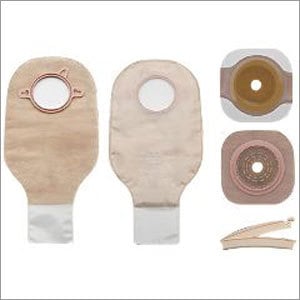
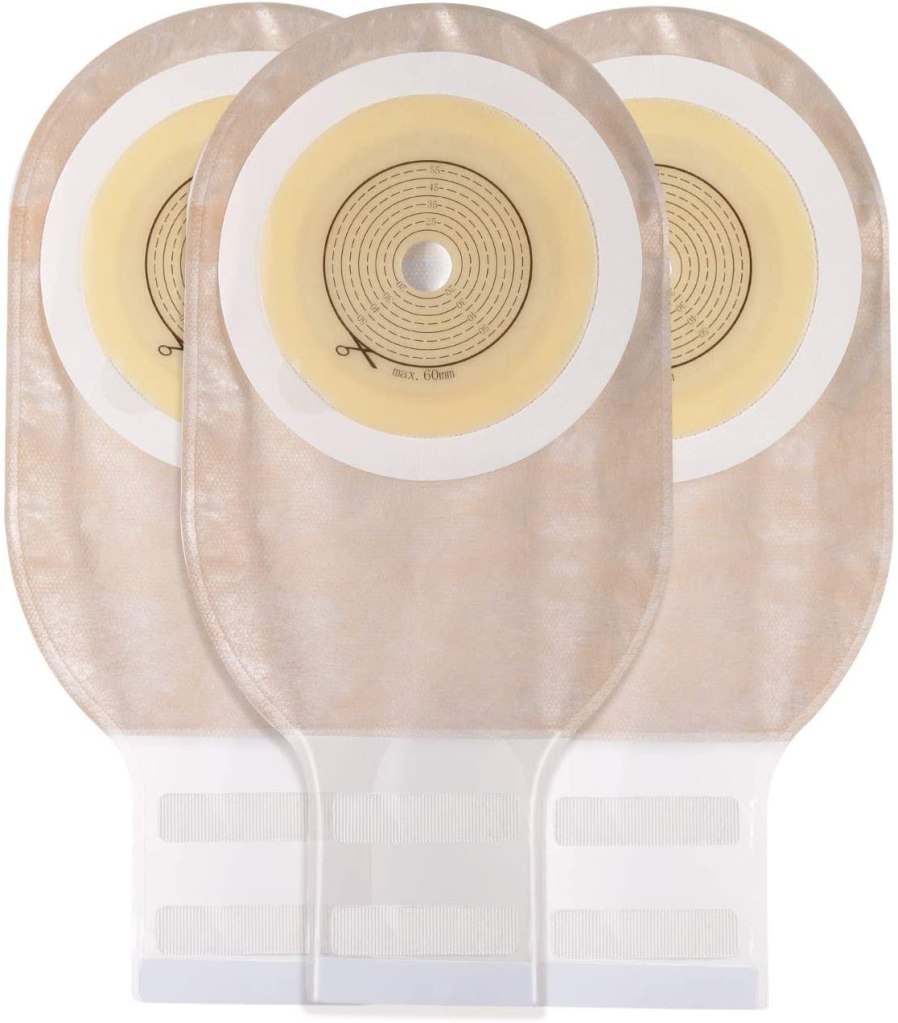
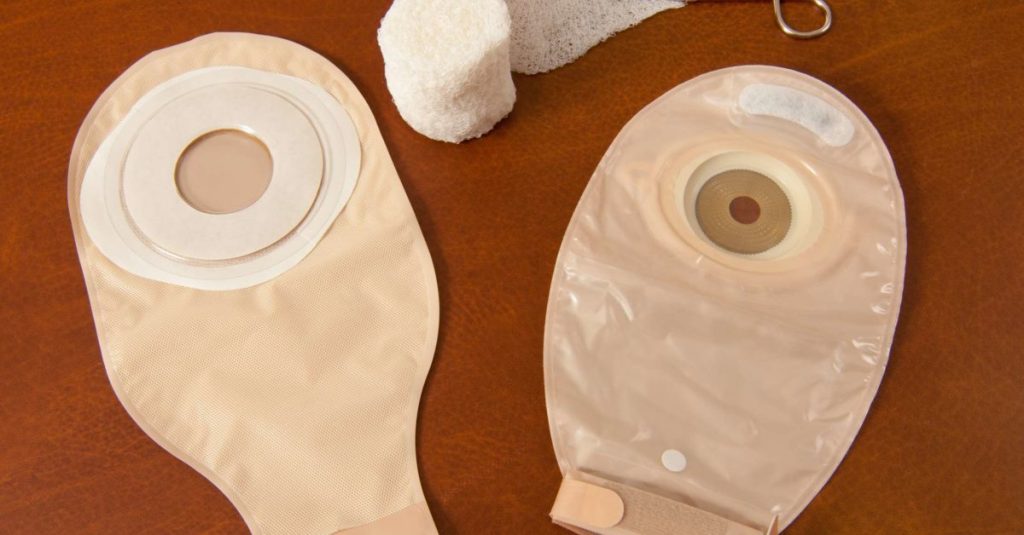
The two main types of Ostomy bags are closed and drainable, and as their names suggest, the former is a one-use-type while the latter is reusable. Despite their use, you might wonder which is the best, especially with the tons of online information and several medical experts’ pieces of advice. 

Overall the choice of these pouches is determined by the convenience each offers, your budget, and your daily schedule, among other factors.

Here is a run-down of the closed and drainable Ostomy bags and what each portends for you.

Closed Ostomy Bags

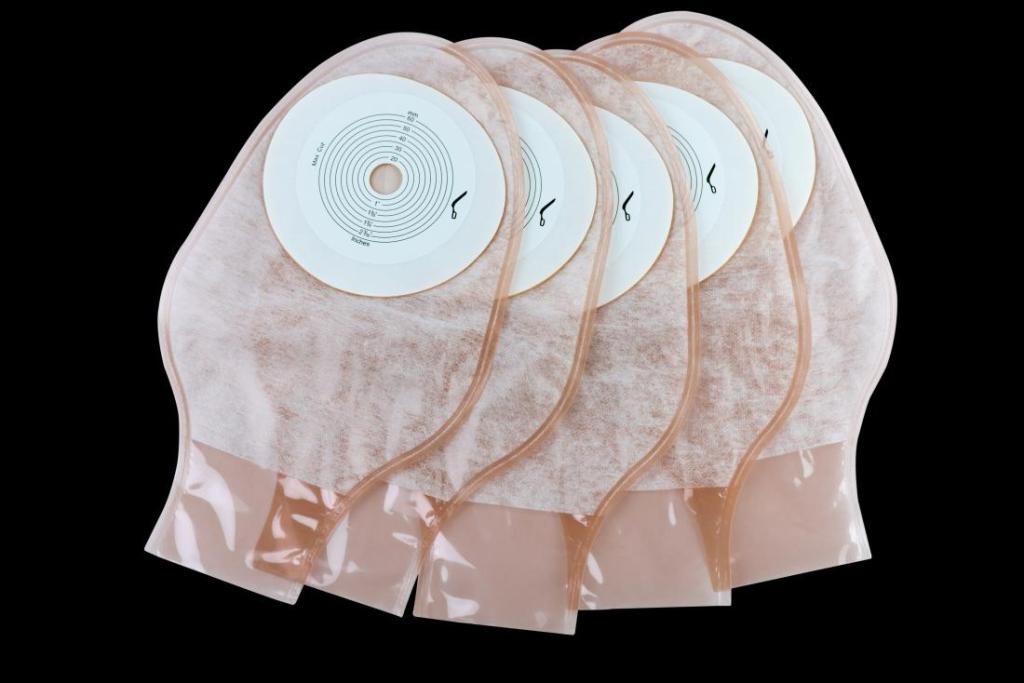
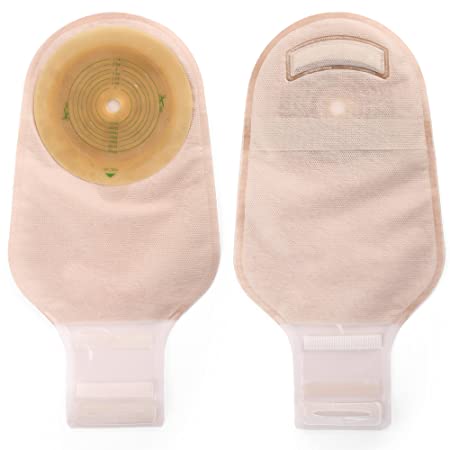
Closed Ostomy bags have only an inlet and no other opening; thus, they can only be used once. They are suitable for people with less discharge. 

The advantage of these bags is that they give you convenience in public places such as parks, schools, or even movies because you can easily change them without creating a mess. 

The change process is easy and hassle-free because no draining is required. To avoid spillage, change your bag when it is two-thirds or half full. All you need is to remove the already filled bag, clean the opening on your skin or the stoma and the landing pad. 

After the cleaning, you need to discard the removed pouch in the trash cans provided, but you can flush (but make sure it is flushable to avoid causing blockages). The next step is to fix a new bag, and the process is repeated if you need a new change.

Drainable Ostomy Bags

These are the complete opposite of closed pouches and come in two different types. Those with no closing mechanism thus need a separate clip or those with an integrated clip. 

Different brands are available in the market, such as Coloplast EasiClose, ConvaTec InvisiClose, and Hollister Lock ‘n Roll, but their working system is similar. 

Their advantages are that the clips are not easily visible when under, they need little strength to open and close, and there is no worry of the clip getting lost. On the flip side, the integrated clips are hectic when cuffing and emptying your pouch. Cuffing is the act of folding the pouch’s tail to ease cleaning and emptying.

However, whether you use integrated or non-integrated clips, the bottom line is that you still need to drain and clean your bag. 

Bottom Line 

The different Ostomy bags provide different conveniences to each individual. There is no one-fit-all pouch, as they all depend on preferences, your budget, and your daily activities.

Despite this, your choice should be majorly based on what type gives you the best convenience. You might start with the one-piece, two-piece, drainable, or disposable one, but it is recommended to try until you settle on the most comfortable one.

The best trial period of the different systems is when you are at home, near a helpful hand such as a family member or a caregiver. Such a setting or environment will help you immediately take correction measures if anything goes wrong.

You can interact with us by sharing your ostomate-use journey, the useful tips you have learned, your preferred ostomate type, and the reasons for your preference.

Ostomy Surgery – Recreating a lost body part artificially

The human body is formed systematically to perform various biological functions that keep it strong and sustain itself. A person is more productive when the body is well and operates in its natural manner. In the past, when an organ failed, it was a death sentence for the patient. Still, with constant study and research on the human anatomy and the modern, available solutions, we now have treatments that doctors and surgeons have tested and vetted.

These solutions include prosthetics fitted in place of the original organ, such as the ostomy bag. An ostomy bag is a prosthetic medical appliance that is surgically provided on the outside of the stomach to allow for easy passage of human body waste like urine and stool. Patients undergo this procedure when there is a defect in the usual way through which debris is channeled out of the body.

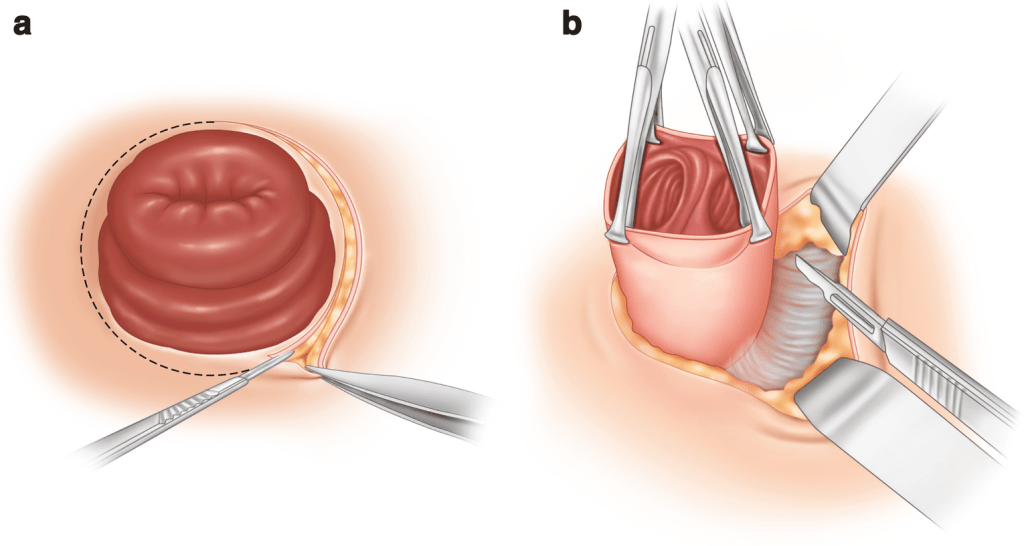
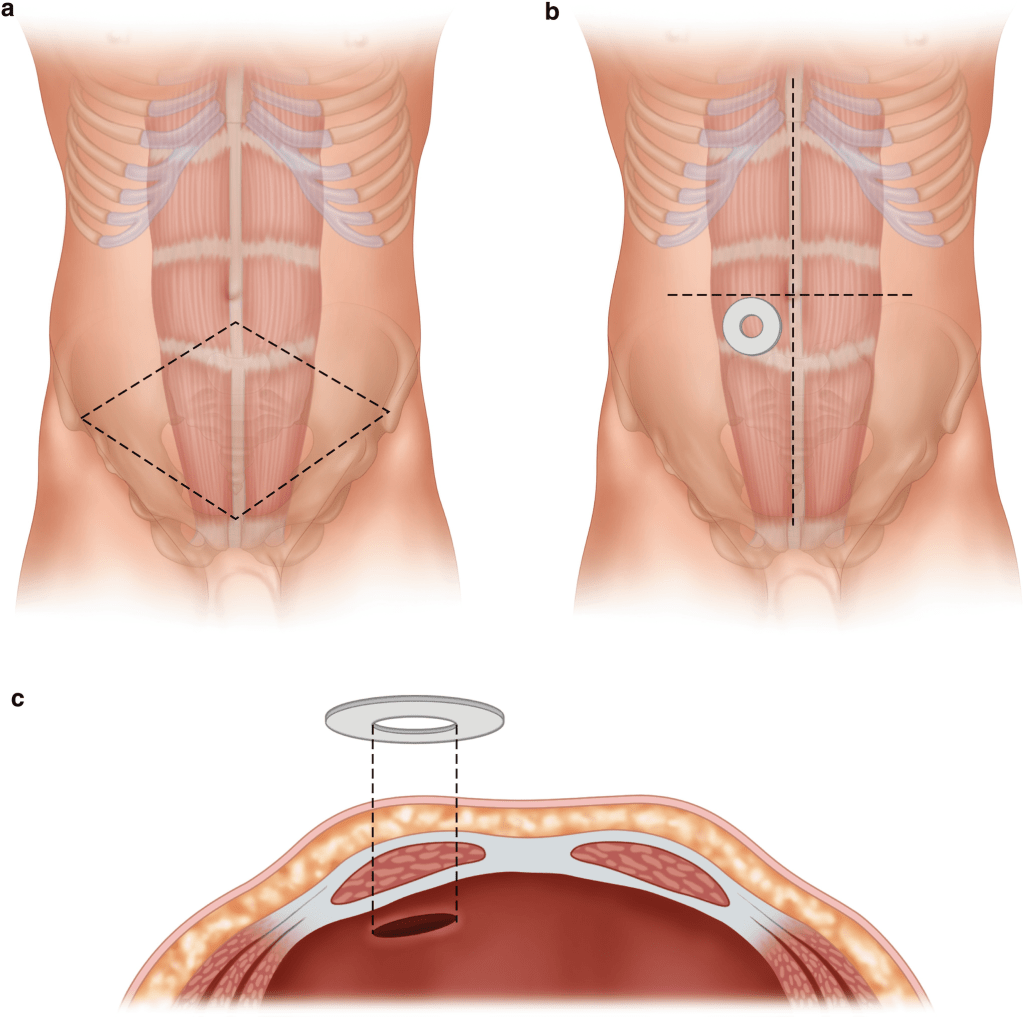
The procedure is done by inventing a stoma achievable by linking the end of the intestine to the patient’s skin on the lower or upper abdomen according to the surgeon’s preference. It can be temporary or irreversible, depending on the reason for the surgery.

One may get it to avoid excruciating pain or infection to the anus or colon, therefore, giving time for a smooth recovery. One can also get the procedure as treatment for a removed colon. Once this is done, an ostomy bag is fitted onto the stoma to collect the stool that comes from the intestines because, unlike the anus, the stoma has no muscles hence no control of the excretion. This bag is worn on the outside and can be replaced with a new one depending on the patient’s filling it.

The surgeries have worked well for many patients, even though some may develop complications like blockage where one cannot pass stool, thus leading to pain and discomfort. Some also suffer skin irritation which is mainly a result of the frequent changing of the ostomy bag, and some also get infections if there is a leakage. Still, luckily the challenges are all manageable with proper medical care.

There are two types of ostomy bags, namely:

1. One-piece ostomy bag

The one-piece usually is smaller and more compact hence harder to rip apart, causing leakage, which can be embarrassing and unsanitary. It is preferred by many due to the ease of disguise, which makes it easier to wear more fitting clothes because it does not show. The one-piece is also slightly more affordable than the rest of the appliances. However, it can cause the skin around the stoma to be sensitive because it is changed frequently as a whole set.

2. Two-piece ostomy bag

This bag goes separately with its flange, making it easier to change since it is only the detached bag once it is complete. The flange maintains its position for a few days in a row, thus helping to reduce skin irritability. It is also preferred due to the flexibility of selecting different sizes in bags and other types of flanges. However, the two-piece is more costly and can detach during movement, causing a leakage, which is the fear of every ostomy patient.

Overall, patients can lead an everyday life as long as they adhere to proper hygiene and healthcare.

Does going gluten-free reverse Irritable Bowel Syndrome?

A recent study from the National Center for Biotechnology Information looked deeper into the impact of a gluten-free diet in patients with Irritable Bowel Syndrome. The study was decently small, but it’s a sign the medical community might be more willing to look into how the latest trends in diet are affecting IBS.

IBS is a common disorder that impacts the large intestine. Symptoms include abominable pain, bloating, gas, diarrhea, and cramping. Severe cases are treated with medication. The precise cause of IBS isn’t known but several factors appear to play a role such as the nervous system, early life stress, and changes in gut microbes.

This particular study focused on patients with diarrhea-predominant irritable bowel syndrome or IBS-D. Individuals in the study who were put on a gluten-free diet showed promising results. They saw a decrease in stool frequency when compared to those still consuming gluten in their diet.

A gluten-free diet is an eating plan that, like the name says, excludes gluten. Gluten is a protein found in barley, wheat, rye, and triticale. Some of the claimed benefits of the diet include improved health, increased energy, and weight loss. Research is still ongoing but the recent study from the National Center for Biotechnology Information is a step in the right direction in proving the benefits with clinical trials.

The evidence from this study showing the benefits of a gluten-free diet was the strongest in patients who were HLA-DQ2/8 positive. It’s known more than 95% of people with celiac disease will test positive for HLA-DQ8 or HLA-DQ2. This doesn’t mean all people who test positive for either will eventually develop celiac. A positive case does mean the patient is more sensitive to gluten and shows more of a reaction to someone who is negative.

The full effects of a gluten-free diet still need more research, but it’s worth looking into the impact on diarrhea-predominant irritable bowel syndrome. A shift from a diet heavy in grains could be a way to control or maybe reverse IBS-D. This small clinical trial concluded the former and points to the chance the disorder is reversible.

Clinical trials in the future for autoimmune diseases, obesity, and various cancers could incorporate a gluten-free diet. The research is in the early stages and many of the impacts are still unknown. Research is gradually increasing on diets such as Paleo, Primal lifestyle, and gluten-free. It’s likely you’ll see the medical field look more into connections between diets like gluten-free and serious issues such as IBS.

Another study from American Family Physician said gluten-free diets may improve certain symptoms of IBS. The study saw positive impacts on abdominal pain, stool consistency, and tiredness. The study focused on 34 patients between the ages of 29 and 59. None of the patients in the study had celiac disease.

The National Center for Biotechnology Information’s mission is to uncover new knowledge. The center is part of the United States National Library of Medicine located in Bethesda, Maryland. It was founded in 1988.

How to care for the Stoma Skin 

Caring for the skin that’s around you stoma helps to mitigate discomfort, and also helps make sure there are no problems after the ostomy that you got. Ileostomy and colostomy surgeries actually are really good since they can help to treat cancer and UC, but at the same time there are a bunch of new things that can involve the skin surrounding it. 

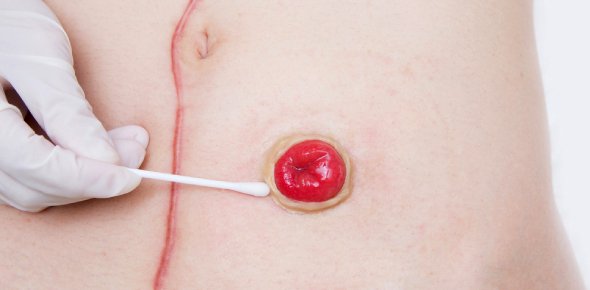
Ileostomies involve taking a portion of your intestinal tract out.  Usually a colostomy involves the removal of your large intestine. During all of this, you may get an opening over the abdominal wall that drains out the fecal matter, oftentimes called the stoma s well. A stoma is typically healthy pink or maybe a deep red color. When it’s in the right conditions, the pouching system will feel good. If the skin gets infected though, it may cause inflammation, pain, and the like. That’s why caring for the skin around this is very important. 

Caring for the Skin 

If you notice the skin is itchy or looks inflamed, you’ll want to definitely get this checked out. But a part of it as well is avoiding the discomfort, which we’ll discuss here. First, you want to make sure that the pouch is the correct size, and that includes the wafer. You want to make sure that the wafer and pouch are the correct size to adhere correctly. Too small can cause strangulation, too large causes fecal matter to get onto the skin, creating irritation. 

You should also check your skin during pouch changes too, which are done up to ever 5 or so days, and you can check to see if the skin looks red and inflamed, or if there is discharge and bleeding. If you do notice that there is irritation, you might need to use products to maintain stomas in most cases to help with the treatment of this. Finally, you want to use products that fit the skin, and are designed to protect it. When you do take out the pouch system, you want to make sure that there isn’t any old adhesive left on the skin there, since it can actually cause the wafer to not attach correctly in a lot of cases, especially if there is a lot of adhesive left over. 

You want to make sure to use skin prep wipes, since this can help to get rid of the adhesive left by the peristomal skin, offering a dry and clean way for you to take care of it. 

You’ll want to make sure that you do put on the powder, but then make sure that you also prepare the skin with the powder as well. You want to make sur that the wipes you use are specifically for stoma care. Baby powder, along with skin wipes are not good for your peristomal skin, and don’t use this since it can damage and irritate the skin, and also affect the adhesion of this too, which can ultimately be a problem. 

If you notice that it’s going away, then keep doing this so that there is no more peristomal skin issues. But if you notice that it’s getting worse or it’s starting to become a bit more unsightly, then y you’ll want to make sure that you talk to the stoma nurse or doctor to help with this, in order to ensure that there is no problems with the stoma and the management either. Care for it today, and you’ll be able to prevent further problems that come from this too as a result and keep the skin healthy.