Irrigation is a procedure for bowel management for colostomies. The irrigation system involves water in large volumes and a stoma which is an opening made by a surgeon. The water gets injected into the stoma by colostomy to clear the colon off stools for improved bowel movements. Irrigation is essential for stoma function regulation, crucial in predicting bowel movements and ultimately reducing the pouch size amid irrigation. To enjoy the use of an irrigation system, one must have a colostomy. However, other various factors need to be present to qualify an individual for stoma management function.
Generally, regular movement of formed or semi-formed descending colostomy makes irrigation effective. Developing regular bowel movements routine is important for individuals using irrigation as it works through adapting to a habit that eventually forms an automatic model of clearing off the stool. Since a regular bowel movement is critical for successful irrigation, exercising and eating should typically help achieve it. Establishing a continuous pattern for cleansing the stool makes it easier to manage the stoma function as the bowel will adapt to moving only during regular irrigation necessary, based on the routine formed over time.
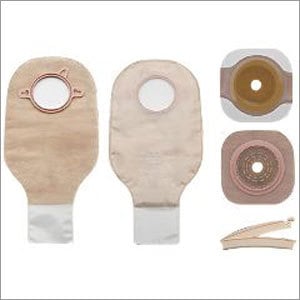
Achieving any routine takes time, and the irrigation process for colostomies is no exception, considering the whole procedure takes about 45-60 minutes to place the water and clear stool off the colon. Therefore, before the system forms an elaborate model, use the regular pouching system to avoid passing small amounts of stool before a clear pattern develops. Familiarizing with the specific tools involved with irrigation for colostomies and where to access them is fundamental for a smooth experience. The apparatus is accessible to any ostomy product manufacturers. They include an irrigation bag for holding the water, clamped tubing for water regulation, and a cone extending from the tubing and gently inserting into the stoma to prevent water from flowing backward. On the other hand, the system includes sleeves over the stoma for drainage to the toilet.
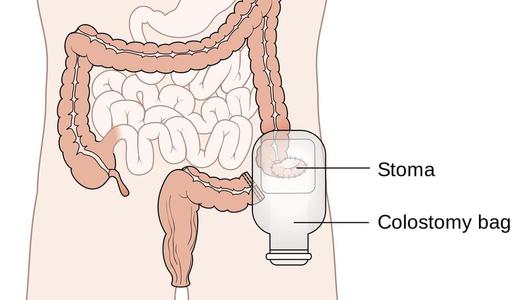
While irrigation is a helpful system, some people should not use it to manage their stoma. A general surgeon or Enterostomal Therapy Nurse (ET) is a good source of help identifying the type of stoma in review. Common categories of people who cannot apply irrigation systems to control their stoma include transverse colostomy and those with a urinary stoma. Nevertheless, there are concerns to consider about the longtime use of irrigation for colostomies. According to research, the more a person uses irrigation emptying the colon’s stool, the more dependants he becomes, which negatively impacts him. Increasing the volume of water used per irrigation is reportedly the main issue related to long-term irrigation use as it can rise beyond control and outdo its functionality.
The adaptation period can be difficult, especially if you are not patient with the process, but consistency shows results. Also, individuals with unpredictable schedules can have a rough experience forming a routine, but a few tips help hack into the irrigation system. Let there be a fresh water supply, which can get hacked with a refilled water bottle. Another idea is eating a small amount of food from outside, especially in areas where food hygiene looks poor to prevent diarrhea.

 Ostomy Management