A recent study from the National Center for Biotechnology Information looked deeper into the impact of a gluten-free diet in patients with Irritable Bowel Syndrome. The study was decently small, but it’s a sign the medical community might be more willing to look into how the latest trends in diet are affecting IBS.
IBS is a common disorder that impacts the large intestine. Symptoms include abominable pain, bloating, gas, diarrhea, and cramping. Severe cases are treated with medication. The precise cause of IBS isn’t known but several factors appear to play a role such as the nervous system, early life stress, and changes in gut microbes.
This particular study focused on patients with diarrhea-predominant irritable bowel syndrome or IBS-D. Individuals in the study who were put on a gluten-free diet showed promising results. They saw a decrease in stool frequency when compared to those still consuming gluten in their diet.
A gluten-free diet is an eating plan that, like the name says, excludes gluten. Gluten is a protein found in barley, wheat, rye, and triticale. Some of the claimed benefits of the diet include improved health, increased energy, and weight loss. Research is still ongoing but the recent study from the National Center for Biotechnology Information is a step in the right direction in proving the benefits with clinical trials.
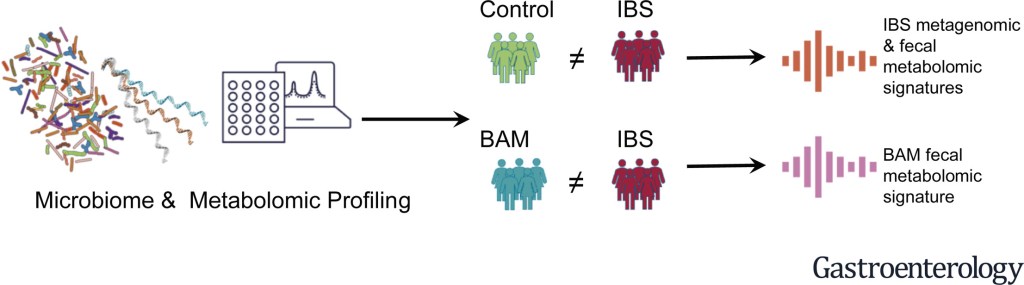
The evidence from this study showing the benefits of a gluten-free diet was the strongest in patients who were HLA-DQ2/8 positive. It’s known more than 95% of people with celiac disease will test positive for HLA-DQ8 or HLA-DQ2. This doesn’t mean all people who test positive for either will eventually develop celiac. A positive case does mean the patient is more sensitive to gluten and shows more of a reaction to someone who is negative.
The full effects of a gluten-free diet still need more research, but it’s worth looking into the impact on diarrhea-predominant irritable bowel syndrome. A shift from a diet heavy in grains could be a way to control or maybe reverse IBS-D. This small clinical trial concluded the former and points to the chance the disorder is reversible.
Clinical trials in the future for autoimmune diseases, obesity, and various cancers could incorporate a gluten-free diet. The research is in the early stages and many of the impacts are still unknown. Research is gradually increasing on diets such as Paleo, Primal lifestyle, and gluten-free. It’s likely you’ll see the medical field look more into connections between diets like gluten-free and serious issues such as IBS.
Another study from American Family Physician said gluten-free diets may improve certain symptoms of IBS. The study saw positive impacts on abdominal pain, stool consistency, and tiredness. The study focused on 34 patients between the ages of 29 and 59. None of the patients in the study had celiac disease.

The National Center for Biotechnology Information’s mission is to uncover new knowledge. The center is part of the United States National Library of Medicine located in Bethesda, Maryland. It was founded in 1988.
 Ostomy Management