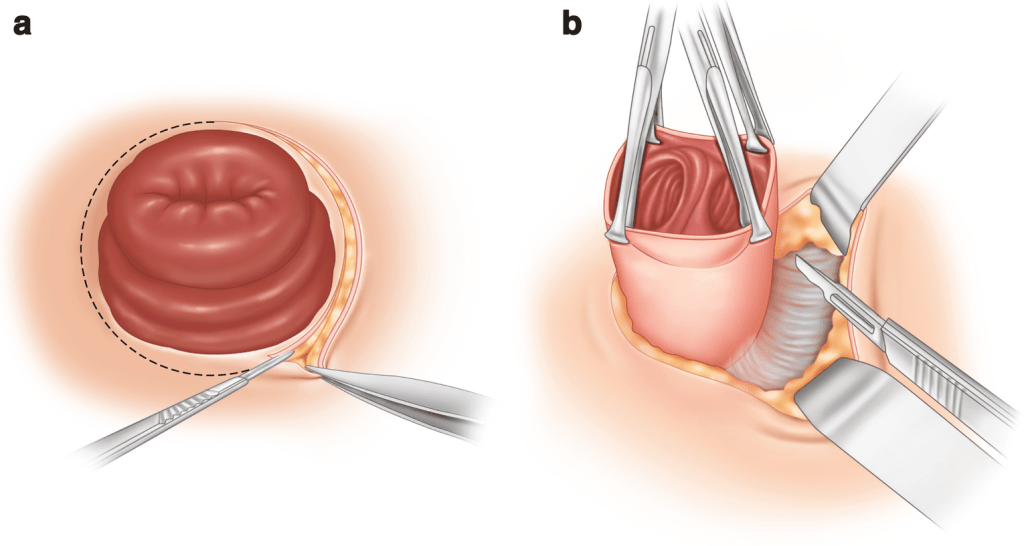
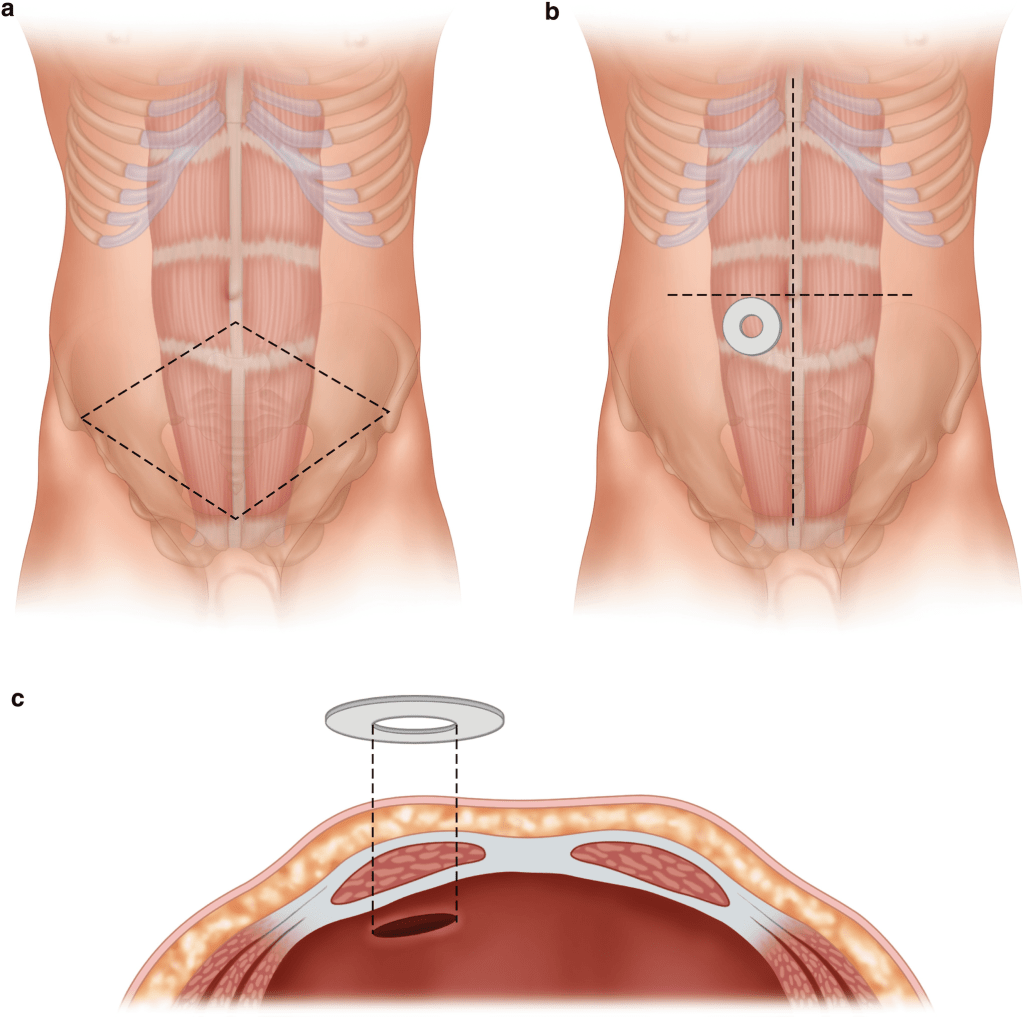
Your medical situation has required you to have an ostomy. Ostomy surgery is often a life-saving procedure. It allows bodily waste to pass through a surgically created stoma. A stoma is an opening in the stomach that the surgeon creates so that waste goes through it instead of through the rectum.
After surgery, whether the stoma will be temporary or permanent, there are certain requirements to keep the area clean and healthy. By doing so the patient may be able to carry out everyday life and its functions.
Caring for the stoma and keeping the adjacent skin healthy and clear does not have to be a traumatic experience. There are specific steps that a patient and their family and caregivers can do to keep the stoma and surrounding area clean, clear and healthy.
Normally the area around a stoma should be clear after its creation but there are times when that is unfortunately not the case. The ideal goal is to keep the area clean and healthy. However, waste products and excretions through the stoma can cause redness and irritation. In most cases there is a skin covering of some kind over the stoma. Which kind of covering depends on exactly which kind of surgery a patients has had. If a patient has a plastic bag, it needs to be emptied often and the patient gently cleaned each time.
A frequent occurrence may be an unpleasant odor in the area of the stoma. This can be ameliorated by the diet of each patient. The diet a patient consumes can be individualized to provide a stool consistency that will work best. Caregivers and the patient can learn this process through trial and error and by consulting with nutritionists and physicians.

Sometimes despite all careful care the stoma and the skin around it can become unhealthy. In this scenario it is vital to consult with the medical tram that is familiar with the individual situation. They will be able to create a treatment plan specifically designed to address the patient’s case.
In many cases unhealthy situations have a specific cause. Among them are leakage from the stoma, incorrect size of the stoma bag used, sensitivity to products used in the care process, and not changing the stoma bag often enough. There are recommendations that patients use a specifically cut bag fitted to each patient. A “one size fits all” approach does not work.
If it occurs that the patient feels burning, itching, tingling, tightness, or any kind of pain or discomfort while wearing the ostomy bag, it is imperative that action be taken. Ignoring the situation will not make it go away and a more serious condition will develop.
Early and specific treatment is absolutely the best solution.

One way to maintain the health of the stoma is to use a product called stoma powder. It is available from many manufacturers. This powder is non-medicated and used to absorb moisture around the skin. This allows for a better hold to the skin. Do not use moist towelettes or baby powder, as they are specifically contraindicated.
Healthy, clean and clear skin around the stoma are vital to living a life that is as close to “normal” as possible after an ostomy surgery. Diligence and care is required and necessary.
 Ostomy Management